
Travel tips & inspiration
USA: Explore the Rockies from Denver
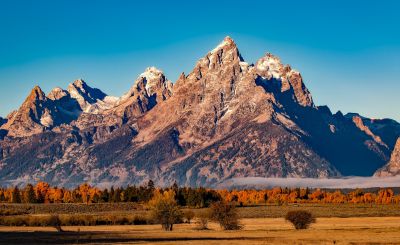
An RV roundtrip from Denver is a great way to explore Colorado, Wyoming, and Montana. Along the way, you’ll travel through the Rocky Mountains, visit some of the best-known national parks in the United States, and stop in smaller Western towns such as Cheyenne, Buffalo, and Rock Springs.
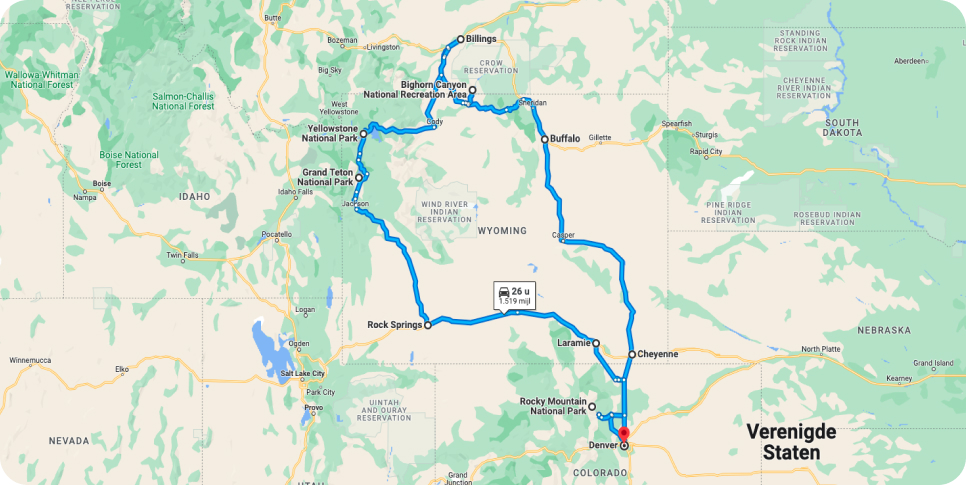
Day 1: Denver
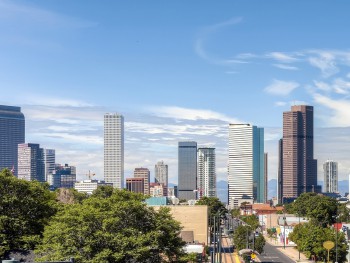
If you arrive on an international flight, you need to spend at least one night in the United States before picking up your RV. That gives you time to explore Denver before starting your road trip. Known as the Mile High City, Denver is home to professional teams in sports ranging from baseball and basketball to football and hockey. You can also visit museums such as the Denver Art Museum and the Denver Museum of Nature & Science. Downtown is a convenient place to spend your first day, with plenty of restaurants, shops, and city attractions.
Day 2: Denver – Rocky Mountain National Park, approx. 65 mi (104 km) – 1.5 hours
Pick up your RV and leave Denver for Rocky Mountain National Park. Within a relatively short drive, the city gives way to mountain scenery, forests, alpine lakes, and the high peaks of the Rockies.
Spend some time exploring the park by RV and stop at viewpoints or trailheads along the way. Wildlife such as elk and mule deer can often be seen in the park, so keep an eye out while maintaining a safe distance. At the end of the day, stay at one of the campgrounds in or near the park.
Day 3: Rocky Mountain National Park – Cheyenne, approx. 91 mi (146 km) – 2 hours
Continue north into Wyoming and head for Cheyenne, the state capital. The city has strong ties to the history and culture of the American West and makes an interesting contrast to the mountain landscapes of the previous day. Explore downtown, stop at one of its coffee shops, and take a look at the Wyoming State Capitol. Cheyenne is also a good place to experience Wyoming’s Western heritage before traveling farther north.
Day 4: Cheyenne – Buffalo, approx. 289 mi (465 km) – 4.5 hours
Leave Cheyenne in the morning for the longer drive to Buffalo. The town sits near the southern section of Bighorn National Forest, an area with waterfalls, historic sites, hiking opportunities, and scenic drives. Scenic byways are an important part of traveling through this region: the road itself often becomes part of the experience, with changing landscapes and viewpoints along the way. After arriving, allow some time to explore Buffalo before settling in for the night.
Day 5: Buffalo – Bighorn Canyon National Recreation Area, approx. 123 mi (198 km) – 2.5 hours
Today you continue through northern Wyoming. On the way, stop in Sheridan and visit King's Saddlery, a long-established Western store where saddles and other ranch equipment are made and sold. The adjoining Don King Museum displays a collection of historic Western and cowboy artifacts.
From Sheridan, continue along US Route 14 through Bighorn National Forest and the Medicine Wheel Passage. You can consider a stop at the Medicine Wheel/Medicine Mountain National Historic Landmark, a site that remains culturally and spiritually important to Native American peoples.
Continue toward Bighorn Canyon National Recreation Area and find a campground for the night.
Day 6: Bighorn Canyon National Recreation Area
With no major driving leg planned today, you have time to explore Bighorn Canyon National Recreation Area. Drive part of the Bighorn Canyon Scenic Byway for views across the canyon and Bighorn Lake, or spend the day hiking, fishing, kayaking, or exploring the shoreline. Our recommendation is a trip with Hidden Treasure Charters. Keep an eye out for wildlife along the way! In the evening, enjoy a beautiful starry night by the RV.
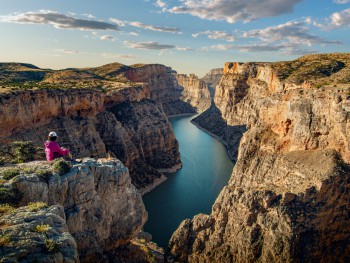
Day 7: Bighorn Canyon National Recreation Area – Billings, approx. 108 mi (174 km) – 2 hours
Cross into Montana and continue to Billings. After several days centered on mountains, forests, and canyons, Billings provides a change of pace. The city has a varied restaurant scene as well as a number of local breweries and other beverage producers. If you want to explore several of them on foot, the Billings Brew Trail connects participating locations around the city.
Day 8: Billings – Yellowstone National Park, approx. 93 mi (150 km) – 2 hours
Head south from Billings toward Yellowstone National Park. Depending on seasonal road conditions and your exact route, the Beartooth Highway can make the journey itself one of the highlights of the trip. This high-elevation scenic road crosses the Beartooth Mountains before approaching Yellowstone's northeast entrance.
The Beartooth Highway is seasonal, so always check current road conditions and opening dates before planning this route. Tonight, stay with your RV at a reserved campground in or near Yellowstone National Park.
Days 9–10: Yellowstone National Park
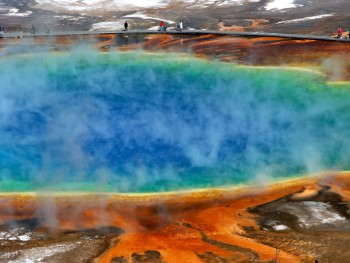
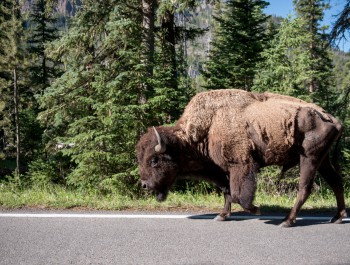
Plan at least two full days to explore Yellowstone. The park is large, and driving between its major sights takes time. Highlights include the geysers and hot springs of Upper Geyser Basin, Old Faithful, the Grand Canyon of the Yellowstone, Mammoth Hot Springs, and Lamar Valley. Yellowstone is also one of the best places on this route to see wildlife. Bison and elk are common, while bears and wolves may also be spotted. Always follow National Park Service guidelines, keep the required distance from wildlife, and never approach or feed animals.
Campgrounds inside Yellowstone are in high demand, so make your reservations well in advance.
Day 11: Yellowstone National Park – Grand Teton National Park, approx. 50 mi (80 km) – 1 hour
Leave Yellowstone and continue south toward Grand Teton National Park. The route brings you into a different mountain landscape, dominated by the distinctive peaks of the Teton Range. Several campgrounds in and around Grand Teton accommodate RV travelers, but availability can be limited during the busy summer months. Plan and reserve your overnight stay ahead of time where possible.
Jenny Lake is one of the park's most popular areas. From here, you can hike toward Hidden Falls and Inspiration Point or simply spend some time enjoying views of the lake and surrounding mountains.
Day 12: Grand Teton National Park – Rock Springs, approx. 183 mi (295 km) – 3 hours
Travel south and stop in Jackson, just outside Grand Teton National Park. The town combines its Western heritage with galleries, restaurants, shops, and a lively center, making it a convenient place for a break before continuing your drive. From Jackson, continue south toward Rock Springs, where you’ll spend the night.
Day 13: Rock Springs – Laramie, approx. 208 mi (335 km) – 3 hours
There are different ways to travel from Rock Springs to Laramie. The most direct option follows Interstate 80 and takes approximately three hours under normal conditions. Depending on the season, road conditions, and how much time you have, you can also consider a more scenic route via Saratoga and the Medicine Bow area. Allow extra time if you choose this alternative. Once you arrive in Laramie, explore downtown and choose one of the local restaurants for your final evening on the road.
Day 14: Laramie – Denver, approx. 130 mi (209 km) – 2 hours
Drive south from Laramie back toward Colorado and Denver. Allow enough time for the drive, refueling, and the rental company's required return procedures before dropping off your RV. This marks the end of your 14-day RV roundtrip through Colorado, Wyoming, and Montana.
This itinerary is intended as inspiration and can be adjusted to suit your travel dates, interests, and preferred pace. If you have more time, adding extra nights in Rocky Mountain, Yellowstone, or Grand Teton National Park can make the trip more relaxed.
Practical information for this route
-
Total driving distance: approximately 1,340 mi (2,156 km), excluding local sightseeing drives, detours, and driving within the national parks.
-
Recommended travel period: late spring through early fall is generally the most practical period for this route, but mountain weather and road conditions can change quickly. High-elevation roads such as the Beartooth Highway are seasonal.
-
Campgrounds: reserve campgrounds in popular national parks as early as possible. Yellowstone campgrounds in particular can fill well in advance.
-
National parks: check current entrance requirements, campground availability, road conditions, and any reservation or timed-entry systems before departure, as these can change by season and year.
-
Wildlife: Yellowstone, Grand Teton, and the surrounding regions are home to bears, bison, elk, and other large wildlife. Follow park regulations, maintain the required distance, and store food correctly.
-
Fuel: distances between services can be considerable in Wyoming and Montana. It is sensible to refuel before entering more remote areas and national parks.
-
Mountain driving: expect steep grades, winding roads, and rapidly changing weather in parts of the Rockies. Check whether any roads on your planned route have vehicle-size restrictions that affect your rental RV.
-
International arrivals: when arriving on an international flight, plan an overnight stay before collecting your rental RV.